
You finish a tough workout, wipe the sweat from your brow, and feel that satisfying sense of accomplishment. But what if the work didn't stop there? What if your body kept burning calories for hours, or even days, after you left the gym?
Many people think calorie-burning is something that only happens during exercise. While that's true for many types of workouts, strength training is different. It kickstarts a powerful metabolic process that keeps your body working long after your final rep.
This article will explain exactly how strength training elevates your metabolism, helping you burn more calories around the clock. Let's get into the science of why lifting weights is one of the most effective ways to support your long-term fitness goals.
Why Strength Training Is Different
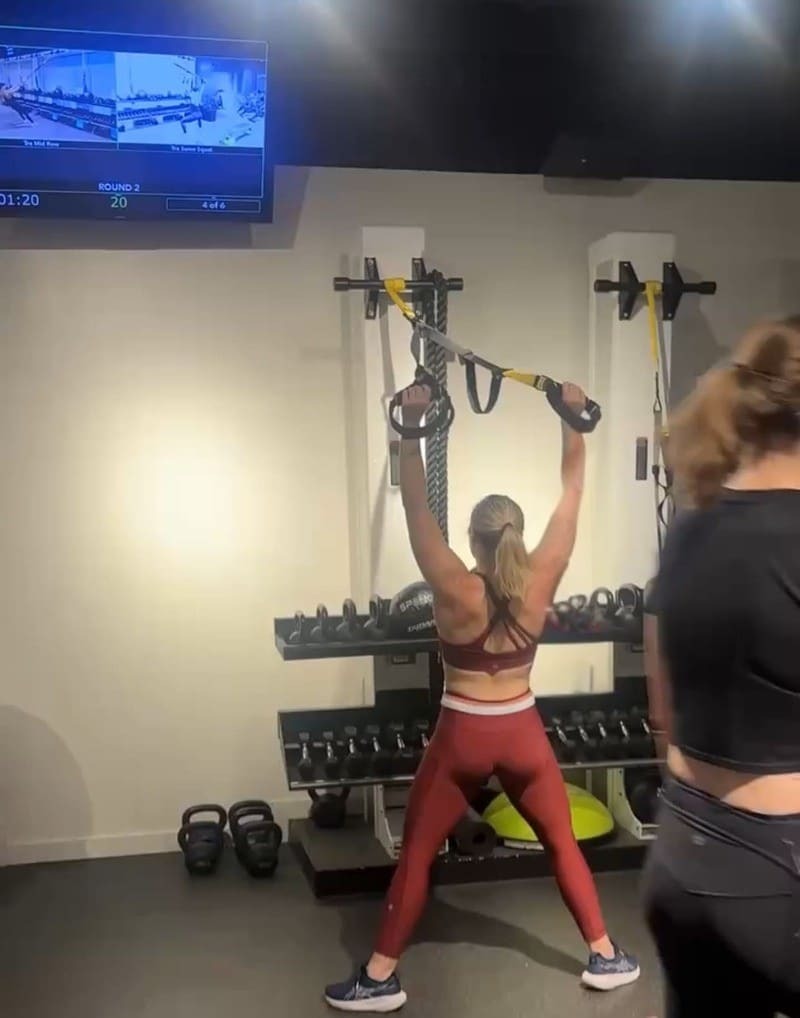
Not all exercise is created equal when it comes to boosting your metabolism. While a long run or a spin class burns a significant number of calories during the session, strength training offers unique benefits that extend far beyond the workout itself. The magic lies in how it impacts your body composition and energy expenditure at rest.
Muscle Is Metabolically Active
Muscle tissue is your body's metabolic engine. Unlike fat, which is relatively inert, muscle requires energy just to exist. The more lean muscle you have, the more calories your body burns every single day, even when you're just sitting on the couch. Every pound of muscle you build essentially "upgrades" your metabolism, turning your body into a more efficient calorie-burning machine.
Your Body Works to Repair and Rebuild
During a strength training session, you create tiny micro-tears in your muscle fibers. Don't worry, this is a good thing! It's the natural process that signals your body to repair and rebuild those muscles stronger than before. This repair process isn't free; it requires a significant amount of energy (i.e., calories) to complete. This rebuilding phase can last for hours or even days after your workout, contributing to a prolonged calorie burn.
The "Afterburn Effect" Explained Simply
This extended calorie-burning period is often called the "afterburn effect," and it’s one of the biggest advantages of strength training. Your body has to work hard to return to its normal resting state after a challenging workout, and all that extra work burns extra calories.
Understanding EPOC: The Afterburn Effect
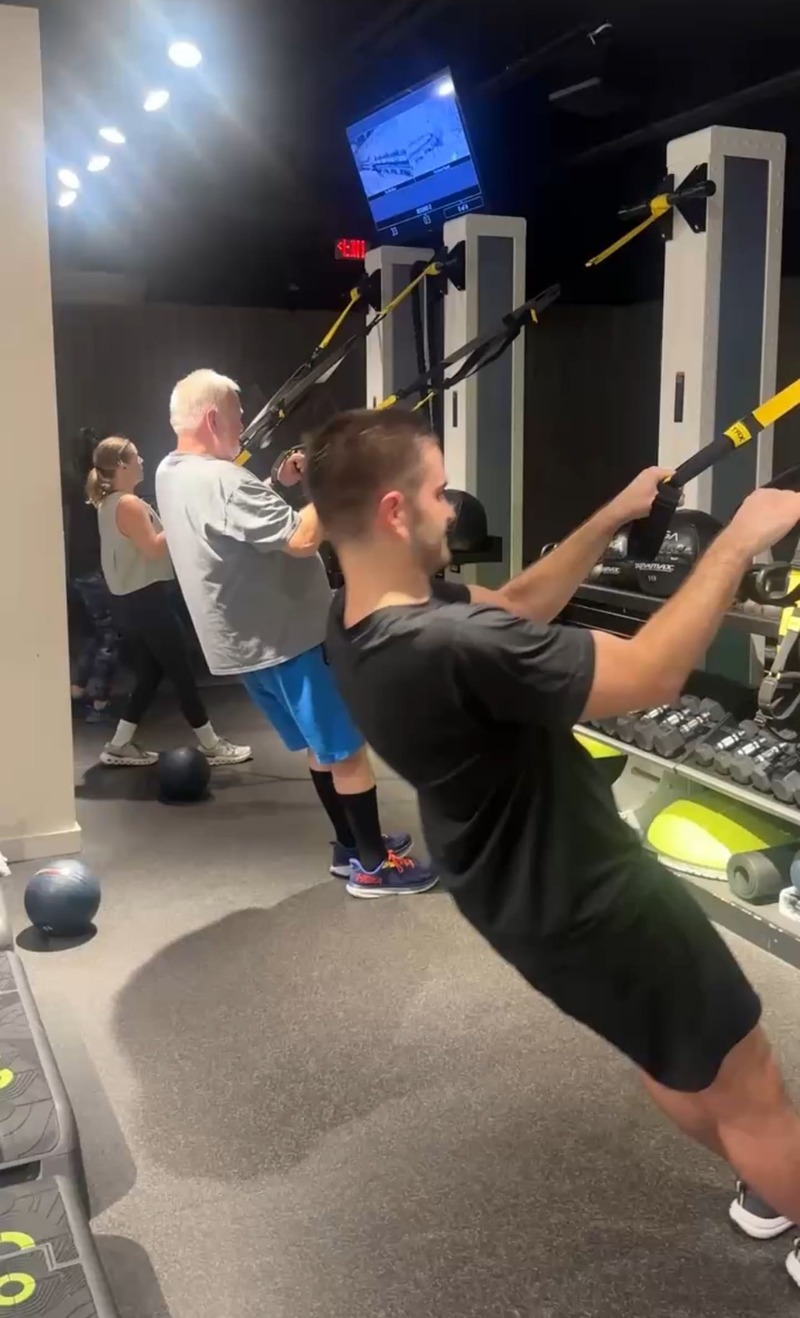
Let's get a little more scientific. The "afterburn effect" is technically known as Excess Post-exercise Oxygen Consumption, or EPOC. It sounds complicated, but the concept is straightforward: your body uses more oxygen after a tough workout than it does at rest. This increased oxygen consumption is a direct measure of how many extra calories you're burning.
What Is EPOC?
EPOC represents the energy your body expends to recover and return to its pre-exercise state. This recovery process involves several tasks, including:
- Replenishing oxygen stores in your muscles
- Removing lactic acid
- Repairing muscle tissue
- Lowering your body temperature
- Returning your heart rate and breathing to normal levels
All of these activities require energy, leading to an elevated metabolic rate that lasts long after you’ve finished your last set.
How Long Does EPOC Last?
The duration and intensity of the afterburn effect depend on the workout. While a light cardio session might only produce a small, short-lived EPOC effect, a challenging strength training session can keep your metabolism elevated for up to 24–48 hours! That means you’re still reaping the calorie-burning benefits a full day or two later.
Why Is EPOC Stronger After Strength vs. Cardio?
Strength training generally creates a more significant EPOC response than steady-state cardio. This is because lifting weights causes more muscle damage (the good kind!) and places a greater demand on your anaerobic energy systems. The extensive repair process and the need to replenish energy stores mean your body has to work much harder to recover, resulting in a more substantial and longer-lasting afterburn.
What Workouts Trigger It?
To maximize EPOC, focus on workouts that are intense and challenging. Full-body routines that use moderate-to-heavy loads are particularly effective. Think compound movements that engage multiple muscle groups at once—these force your body to work harder and burn more energy.
How Strength Training Boosts Metabolism Over Time
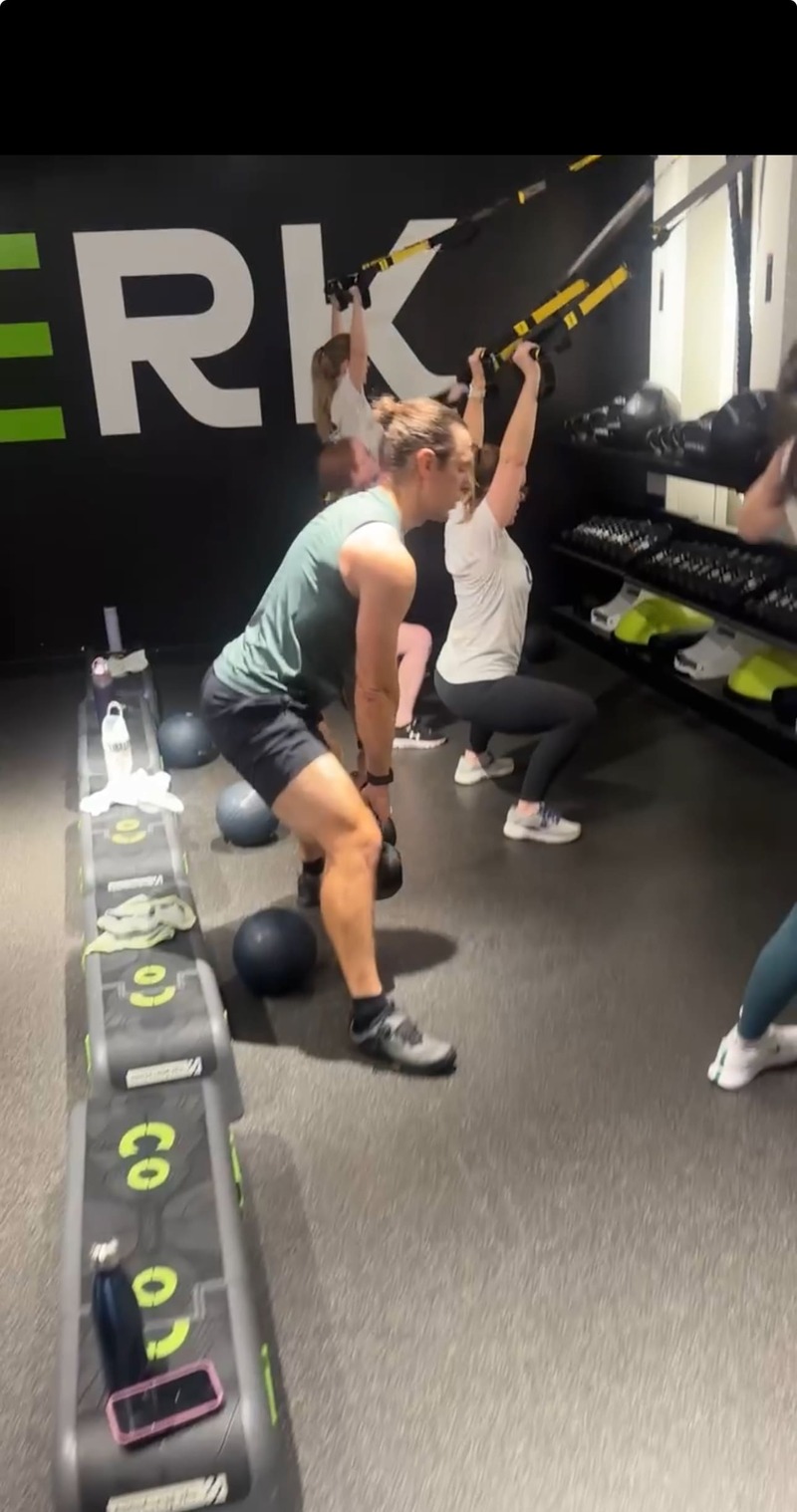
The afterburn effect is a great short-term bonus, but the real power of strength training lies in its long-term impact on your metabolism.
Building Lean Muscle Increases Your Resting Metabolic Rate (RMR)
Your RMR is the number of calories your body burns at complete rest. As you build more lean muscle through consistent strength training, you permanently increase your RMR. This is the ultimate goal for sustainable fat loss because it means your body is burning more calories 24/7, not just when you're exercising.
Hormonal Benefits
Strength training also positively influences key hormones related to metabolism and body composition. It can improve insulin sensitivity, which helps your body manage blood sugar more effectively and reduces the likelihood of storing excess calories as fat. It can also help manage stress hormones like cortisol, which, when elevated, can contribute to weight gain.
Strength Training and Body Composition
When you focus on strength training, you're not just losing weight; you're changing your body's entire composition.
Fat Loss vs. Muscle Gain
A pound of muscle is much denser and takes up less space than a pound of fat. As you build muscle and lose fat, you might notice your clothes fitting better and your body looking leaner and more toned, even if the number on the scale doesn't change dramatically.
Why the Scale Can Be Deceiving
This is why you shouldn't rely solely on the scale to track your progress! It's possible to lose inches and drop clothing sizes while your weight stays the same or even increases slightly. This is a sign that you're successfully replacing fat with dense, metabolically active muscle—a huge win for your long-term health and fitness.
What Kind of Strength Training Works Best?

Ready to maximize your afterburn and build that metabolic engine? Here's the type of training that delivers the best results.
Focus on Compound Movements
Prioritize exercises that work multiple muscle groups at once, like squats, deadlifts, presses, and rows. These movements are incredibly efficient and create the greatest metabolic demand.
Use Moderate-to-Heavy Resistance
To stimulate muscle growth and trigger a strong EPOC response, you need to challenge yourself. Choose a weight that makes the last few reps of each set feel difficult but manageable with good form.
Combine Strength and Cardio
For the ultimate metabolic boost, combine strength training with high-intensity cardio. The combination can increase EPOC even further. At SPENGA Ballston, our signature 60-minute sessions are built on this principle, blending spin, strength, and yoga to create a powerful, efficient workout that maximizes calorie burn both during and after the session.
A Balanced Weekly Plan
Here’s what an effective weekly routine might look like:
- 2–3 days of strength training: Focus on full-body workouts or an upper/lower split.
- 2 days of cardio: Choose an activity you enjoy, like running, cycling, or a high-energy class.
- 1 day of active recovery: Gentle yoga, stretching, or a long walk helps your body recover.
Integrated 60-minute sessions that combine strength and cardio, like those at SPENGA, are a highly efficient way to fit everything in.
Common Mistakes That Reduce Results
Avoid these common pitfalls to make sure your efforts pay off:
- Lifting too light: If you're not challenging your muscles, they won't grow.
- Inconsistency: Building muscle and boosting metabolism requires a consistent effort over time.
- Ignoring form: Poor form not only increases your risk of injury but also reduces the effectiveness of the exercise.
- Only doing isolation exercises: Bicep curls are great, but they won't have the same metabolic impact as a full-body squat.
Your Path to a Stronger Metabolism
Strength training is far more than just an activity you do for an hour at the gym. It fundamentally transforms the way your body uses energy, turning it into a more efficient, calorie-burning machine that works for you all day long. By building lean muscle and harnessing the power of the afterburn effect, you're investing in a sustainable path to achieving your fitness goals.
Ready to experience the power of a perfectly balanced workout? Come try a free session at SPENGA Ballston and see how our unique blend of spin, strength, and yoga can help you build a stronger, leaner, and more powerful you. Your first session is on us!